



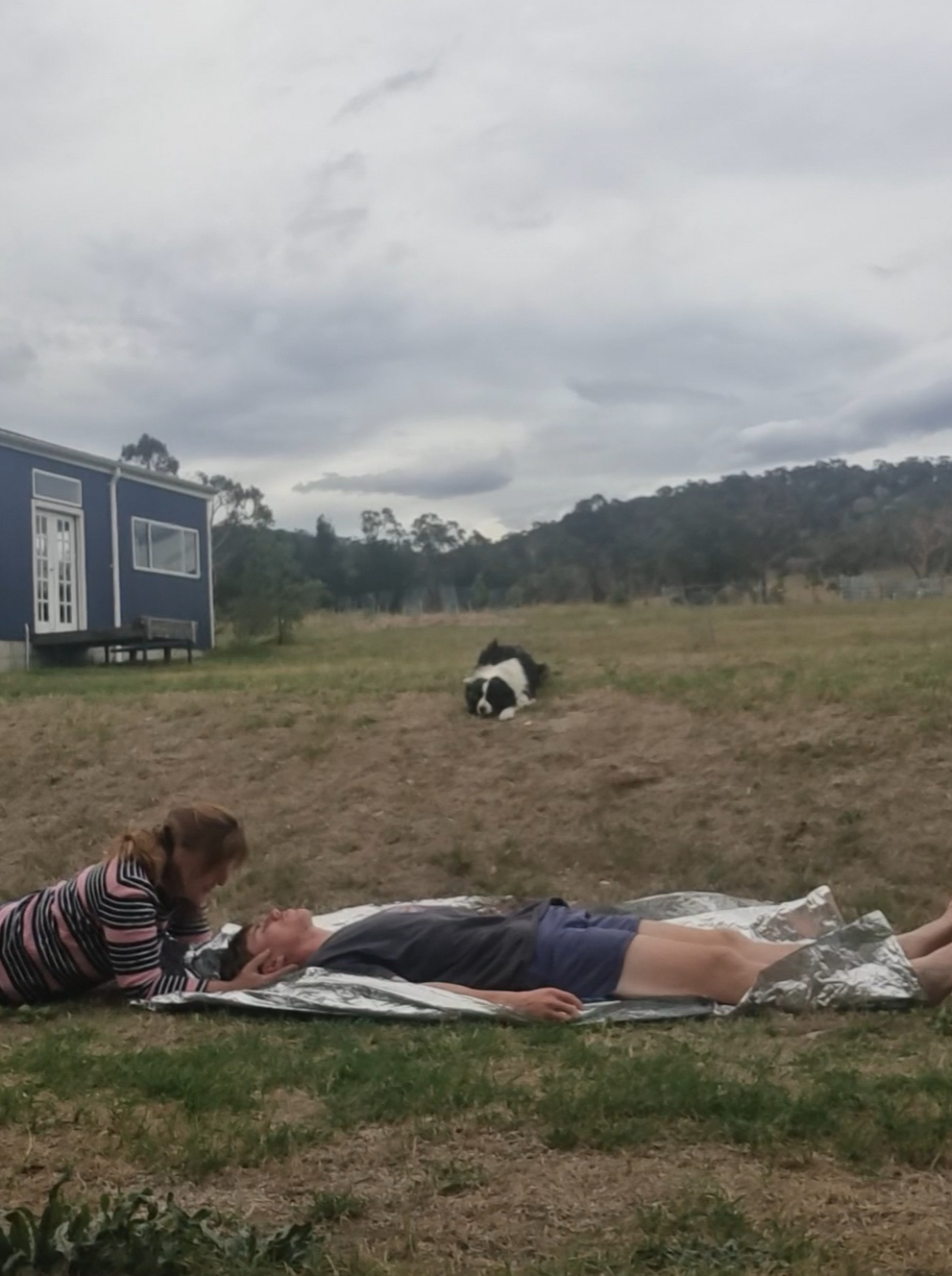
Working the land in the Bathurst region is as rewarding as it is demanding. From the rolling hills of O’Connell to the busy livestock exchanges at the CRLX, our local farmers are the backbone of the Central West. However, the nature of agricultural work—handling heavy machinery, managing stubborn livestock, and navigating uneven rural terrain—means that the risk of injury is a constant companion. When you are miles from the nearest bitumen road, your ability to provide immediate farm first aid is your most valuable asset.
The Reality of Farm Injuries in NSW
On a farm, a “small mishap” can escalate quickly. A slip while fixing a fence or a hand caught in a grain auger isn’t just a workplace accident; in a remote setting, it’s a race against time. Because emergency services may take longer to reach a property in the Bathurst hinterland, knowing the fundamentals of first aid for cuts and bleeding can prevent a serious incident from becoming a tragedy.
Managing Severe Bleeding: The Critical First Minutes
If you or a team member suffers a deep laceration from machinery or a tool, the priority is blood volume preservation. For first aid farm injuries NSW standards recommend a calm, decisive approach:
Direct Pressure: Immediately apply firm, direct pressure to the wound using the cleanest cloth or bandage available. Do not keep checking the wound; hold the pressure consistently.
Elevation: If the injury is on a limb, raise it above the level of the heart. Gravity is your ally here, as it helps slow the flow of blood to the site.
The Tourniquet Rule: Life or Limb. In 2026, clinical guidelines emphasise that a tourniquet is a life-saving tool for catastrophic limb bleeding. If pressure isn’t working and help is far away, apply a tourniquet high on the limb, tighten it until the bleeding stops, and note the exact time of application.
Wound Care and the Tetanus Risk
Proper wound care in Bathurst involves more than just a Band-Aid. Farming environments are uniquely high-risk due to soil exposure. Dirt and manure carry bacteria, including Clostridium tetani. Even a minor puncture wound from a rusty wire can be dangerous if your tetanus vaccinations aren’t up to date. Always irrigate minor cuts with clean, running water, apply an antiseptic if they get infected, and cover the site. For deep cuts or any wound contaminated by soil, a trip to a Bathurst GP or the hospital is essential to assess your tetanus status. (Check NSW Health – Tetanus Information and Prevention)
Navigating Uneven Ground: Sprains and Strains
The Bathurst farm landscape isn’t always kind to ankles and knees. Whether you’re jumping off a tractor or moving through a paddock in the dark, sprains are common. We teach the R.I.C.E. method:
Rest: Stop working immediately. Pushing through the pain often turns a minor strain into a long-term tear.
Ice: Apply cold packs for 20 minutes every two hours to reduce swelling.
Compression: Use a firm elastic bandage to support the joint.
Elevation: Keep the injured limb raised.
Crucial Tip: Avoid heat, alcohol, or deep massage for the first 48 hours, as these can increase swelling and slow recovery.
Why Tailored First Aid is the Choice for Central West Farmers
At Tailored First Aid, we don’t just teach from a textbook; we teach for the paddock. We understand the specific mechanical and biological risks of the Bathurst agricultural sector. Our trainers provide hands-on simulations that prepare you for the reality of rural medicine—where the “hospital” is a 40-minute drive away and your first aid kit is your only teammate.
Don’t wait for a harvest accident to realize your skills are rusty. Ensure your farm team is prepared for anything. Book a Tailored First Aid course for your property today! Here is our HLTAID013 Remote & Isolated First Aid Course